
The Power of Play Therapy
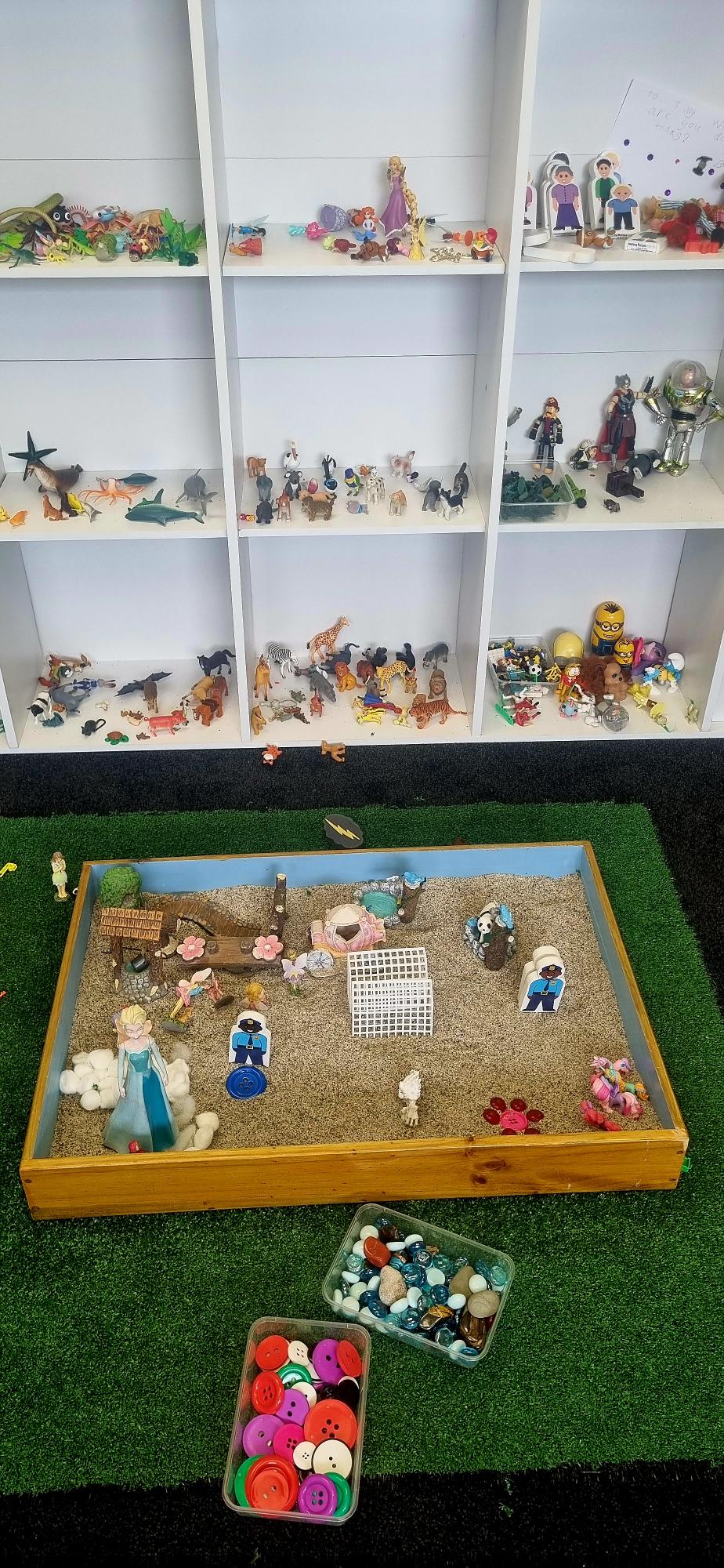
Image from by Madelein Zwonnikoff.
Play is a child’s language and toys are their words. This is a space where you can be who or whatever you want. In this space you have a voice.
For many children, particularly those who are neurodivergent or have experienced trauma, play can be a more effective form of expression than words alone.
Play therapy, including art therapy and sand tray therapy, provides a safe and engaging way for children to explore emotions, build skills and develop resilience. Guided by a trained therapist, these approaches use creativity, imagination and sensory experiences to support emotional wellbeing and development.
Supporting Executive Function Skills
Executive functions are the mental skills that help us plan, organise, regulate emotions, focus attention and adapt to changing situations. These skills are essential for success at school, home and in relationships.
Through play, children naturally practise executive functioning. Games and creative activities encourage turn-taking, problem-solving, working memory and flexible thinking. Building with blocks, creating artwork or constructing a sand tray scene all require planning, sequencing and decision-making. Play also provides opportunities to manage frustration, cope with mistakes and develop emotional regulation in a supportive environment.
For children with ADHD, autism or other developmental differences, play therapy can be an effective way to strengthen these skills while maintaining engagement and enjoyment.
Healing Through Play
Trauma can affect how children think, feel and respond to the world around them. Because traumatic experiences are often stored in sensory and emotional ways, children may struggle to talk about them directly.
Play therapy offers a safe alternative. Through storytelling, role play, creative expression and symbolic play, children can process experiences at their own pace without needing to find the “right” words. The therapeutic relationship provides safety and predictability, helping children regain a sense of control and build emotional resilience.
Play-based approaches can also support nervous system regulation, helping children feel calmer, safer and more connected.
A Neuroaffirming Approach
For neurodivergent children, play therapy offers a space where differences are understood and respected. Rather than focusing on changing a child’s natural way of being, neuro-affirming play therapy supports self-understanding, emotional wellbeing and confidence.
Children can express themselves through their strengths and interests, often finding it easier to communicate through play, art or visual storytelling than through conversation. This approach reduces pressure, encourages authentic self-expression and helps build a positive sense of identity.
The Benefits of Art and Sand Tray Therapy
Art therapy allows children to express thoughts and feelings creatively, supporting emotional regulation, self-awareness and confidence. There is no expectation of artistic skill—only an opportunity to create and explore.
Sand tray therapy uses miniature figures and objects placed in a tray of sand to create scenes and stories. This powerful, non-verbal approach helps children organise thoughts, process experiences and explore emotions through symbolism and imagination. The sensory nature of sand can also be calming and regulating.
Helping Children Thrive
Play therapy, art therapy and sand tray therapy offer children meaningful ways to build executive functioning skills, process difficult experiences and develop emotional resilience. By meeting children where they are and embracing their unique strengths, these approaches create opportunities for growth, healing and confidence that can extend far beyond the therapy room.