Warm, non-judgemental understanding and care for the full range of mental health, neurodivergent and learning presentations requires robust systems and holistic and comprehensive services to support your child and family.
From your first message to your first appointment, here's what to expect.
Fill out our online contact form to start the conversation - no referral required.
If you aren’t quite sure what you need, or what service or professional would be best - don’t worry! Our team will help you.
After you have completed the online Contact Form, our referrals team sends you paperwork that matches your needs, including consent forms and a developmental questionnaire.
Please note, if your child is under 16 years old, we are bound by law to request formal consent from both legal guardians.
Our Clinical Manager oversees every referral, recommending the services that match your needs.
If we have some further questions, or require additional information to best advise you, one of our Clinical Team will contact you to do so.
Your appointment is made and our team warmly welcome you and your child for your comprehensive care experience.
Our assessment services require a deposit and pre-assessment questionnaires to be completed.
We're a team built on strong family values, integrity and collaboration, offering assessment, formulation and therapeutic services using internationally recognised tools and creative approaches.
We work with a range of mental health, neurodevelopmental, cognitive and educational presentations and offer a wide variety of services to best understand and support your child and family.
Join a practice that values clinical excellence and genuine care for both our clients and each other.
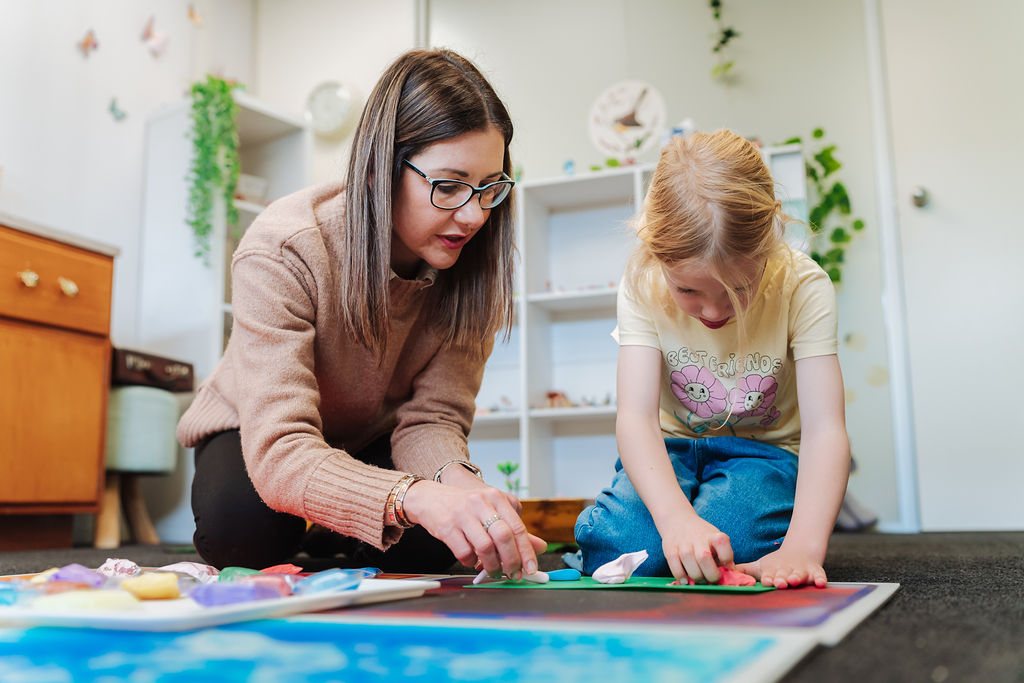


Totally Psyched started with an idea Dr Sarah Watson had carried since she was a teenager: a place children would actually love coming to. A place where they feel safe enough to be themselves, and where they and their families are understood, supported and given excellent care.
That idea became urgent when Sarah went looking for help for her own child. Like so many parents, she went from service to service, hoping someone would see the whole child and support the whole family. At the same time, as a clinical psychologist, she could see how much more could be offered if clinicians were free to work together.
So in 2016, Totally Psyched was born with the aim was care that is warm, inclusive and grounded in evidence, because we believe clinical excellence and human care belong together. Our families deserve both.
Ten years on, we have supported more than 11,000 children and young people. What began as three people is now a multidisciplinary team of around twenty, offering psychology, psychiatry, educational assessments, psychotherapy, play therapy, counselling, coaching, speech language therapy and occupational therapy. We now support parents too, through assessments, coaching and family therapy. It really does take a village around a child, and often around a whole family.
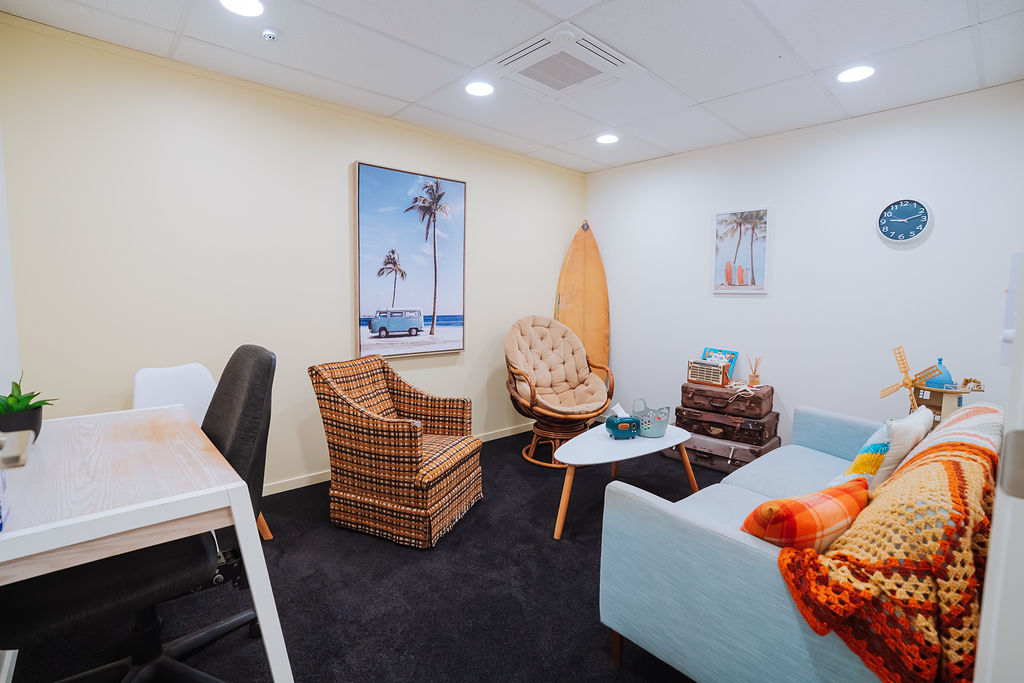
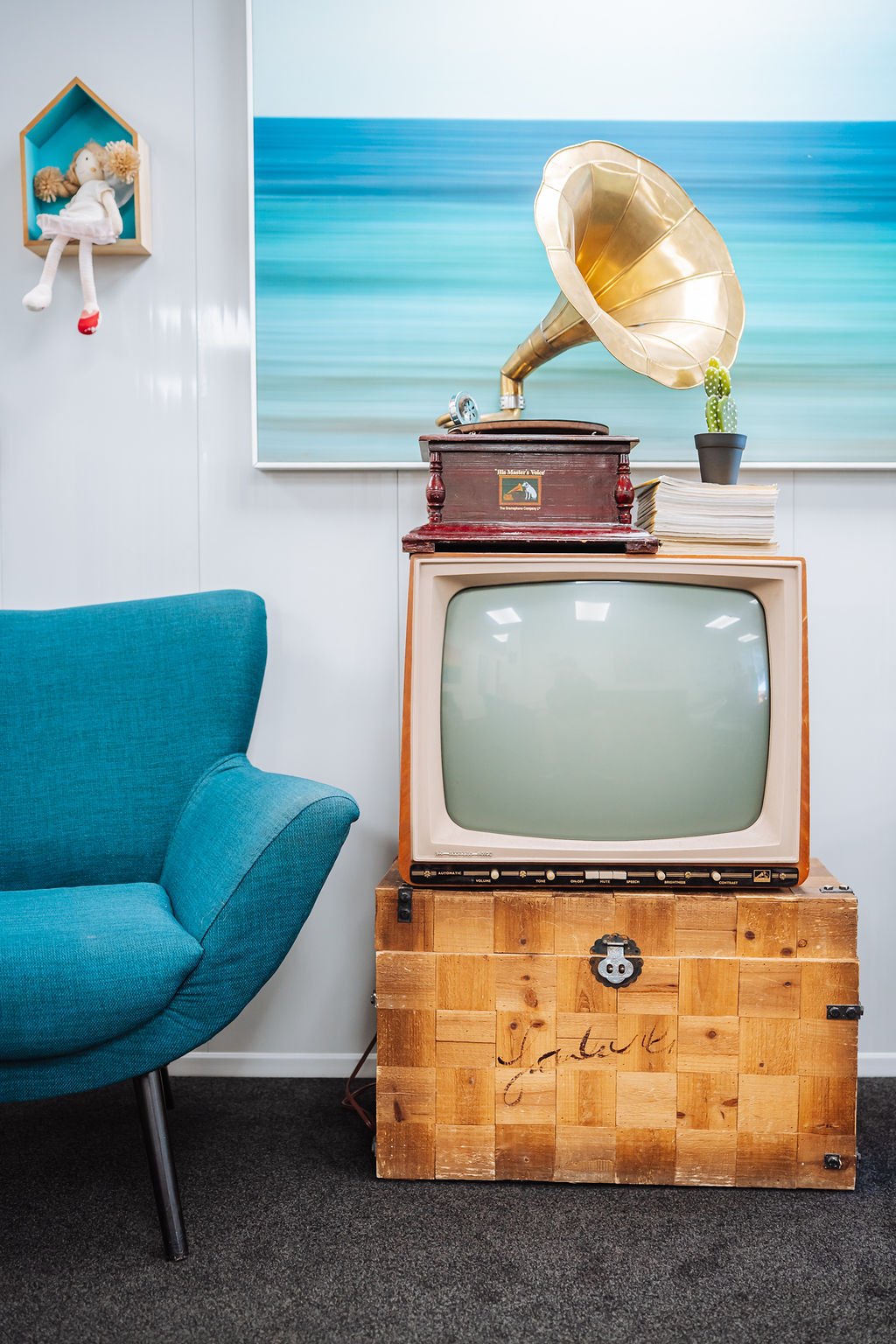
Even our space is part of the care. Sarah designed our retro, themed rooms to take the stigma and sterility out of mental health care, inviting children to explore and bring their curiosity with them. Beyond our walls, she and the team advocate for neurodivergent young people and every child who has been made to feel less, through schools, media, conferences and wherever else the message can reach. Different is not less.

Kind words from the children, teens and families we work with.

Totally Psyched and in particular Dr Sarah Watson has provided my family with exceptional care over the past 4 years. Expert clinical advice and guidance. It's been a tough journey and Dr Watson has literally changed our lives. We have strategies, we have tools and we have knowledge all as a result of our relationship with Totally Psyched.
I have nothing but fantastic things to say about Totally Psyched. It's an incredibly supportive environment with lovely staff who are very knowledgeable and make the kids feel safe and listened to. They genuinely care about the kids and give them great tools to support their wellbeing. Can't recommend enough.
Vivian Ho is a caring, patient, and highly professional therapist. Through her thoughtful guidance, our child has been able to express inner feelings and release emotional stress in a safe and engaging way - whether through conversations, games, or creative activities like drawing. Over time, we've seen remarkable growth in our child's emotional strength, especially in areas of self-acceptance, self-esteem, and personal identity.
Totally Psyched have supported our children's needs for over 18 months. TP have always put the needs of the children first. The staff have a vast field of expertise and continue to develop and support the children as requirements change. The staff are friendly and more than accommodating with appointment slots. Thank you to all the team at TP.
First experience with Totally Psyched and really happy with the choice to see them. Referred by my GP and will be recommending for anyone needing such services. Really caring, warm and professional.
Wow - Sarah and her team made such an incredible difference in our family's life as we navigated the teenage years! Always professional, available and was able to help us make sense of so many situations. We feel forever grateful that we had her guidance.
We were recommended to have sessions at TP as we knew something was different about our daughter and wanted help and support. With TP's help we got diagnoses and support to help our daughter in the best way. All of the staff are incredibly helpful and lovely and we now have tools to support our daughter in the best way for her.
I'm incredibly grateful for the support and care I have received at Totally Psyched. Every staff member I have interacted with has been nothing but compassionate, empathetic, and dedicated to providing their clients with the best care. I can't recommend them highly enough for anyone seeking compassionate support and care through whatever challenges you are faced with.
I have seen more than 5 different psychologists at 5 different clinics and none of them compared to my experience at Totally Psyched. Dr Sarah Watson as my therapist has helped me gain so many different skills that have helped me through some of the toughest moments of my life. I could not name a better place to help you on your journey, whatever it may be.
Helped with an accurate diagnosis of our son, and it has helped him immensely. They are kind, caring and professional. I have recommended them to family, who have had the same experience.
Totally Psyched is like family, they have absolutely changed my family's life and made my boy feel like everyone else. I would recommend this clinic to everyone.
We're proud to work alongside these organisations to support children, teens and families.
Answers to some of the questions families ask us most often.
In short, yes. We keep all your information in a highly secured and regularly backed-up digital clinical management system that is separate from anyone outside our clinical team. It's important to note that in the case of any safety concerns for a young person, all clinicians are professionally mandated to ensure the child/adolescent's safety. Usually this means speaking with parents and making a safety plan; very rarely, we may need to speak with external agencies to obtain appropriate help.
For some specialist assessments we like to make the appointment as efficient as possible, so in preparation we acquire collateral information ahead of time, this might include school reports, psychometric tests, letters from your GP. This is all taken into consideration when determining a diagnosis. We take time to read and consider all of these before seeing you and your child/adolescent. Because neurodevelopmental and mental health conditions often affect a young person across many aspects of their life, it's important for us to assess the impact and breadth of this, which is why we like to obtain information from teachers too.
After receiving your information, the Clinical Manager Dayna Cooper looks through every new referral personally. She knows the team's areas of expertise well and will recommend which Psychologists/Psychiatrists are likely the best match for your child/adolescent, based on the clinician's skills, experience and professional interests, so you get the best fit. We usually try to provide multiple choices and encourage you and your child/adolescent to look at the website to see who you might prefer.
For children, we often recommend explaining that they are going to see a special doctor, 'brain coach' or 'therapist' who helps families and children feel happier or work out how their brain works so everyone can understand them (and potentially help them) better. For adolescents, you might explain they are going to see a specialist doctor or psychologist who will help everyone work out what is going on, why things are so hard, and what to do to make things better.
At the initial assessment appointment you can expect to meet with the Counsellor or Psychologist to talk about any concerns. You'll also be given the option to privately speak about concerns separately as adults, and time will be spent one-on-one with the adolescent/child. We often ask many questions to get as accurate a picture as possible, since understanding your child/adolescent and family is essential to making the right recommendations and treatment plan. At the end of the first appointment, together you will make a plan with the clinician.
We also now have 'what to expect' video's on the website, showing this to your young person may help them understand what will happen when they visit us.
We try very hard to meet the needs of our families who wish to come in a timely manner, but the number who wish to see us sometimes outweighs the amount of time our clinicians have available. Once a family has come to see us, we need to make sure we have enough time to see them and meet their needs, so we space out our appointments accordingly. We are very sorry if you do have to wait and will always endeavour to make your child/adolescent a priority as soon as possible. We can offer a cancellation waitlist, and if you're able to be flexible this can often help you get an appointment sooner.
We are generally unable to advise of a current wait time until we have a referral, this is because the information received in that referral will give us more detail about what you are looking for at our service and who is best suited to provide this.
Not usually. We prioritise all our families that have already been welcomed into our practice, which is why there can be quite a wait for an initial appointment.
Psychologists can be trained through various pathways. All of the Psychologists at Totally Psyched are experienced specialists in working with children, adolescents and families, but their training can differ. All Psychologists are required to undertake undergraduate and postgraduate university degrees, with some to the Doctoral level (as indicated by their 'Dr' professional title). See the New Zealand Psychologists Board's information about different Psychologists' scopes of practice for more detail.
Absolutely not, to both questions. Information about medication can be provided by one of our Child & Adolescent Psychiatrists, but this is only one aspect of care, it is fully discussed, and ultimately it is always a family's decision whether this is what they feel is a useful option for them and their child.
We respect our families' decisions as we understand there are often many factors to consider. Other non-medication treatment options will be discussed and are often recommended ahead of medication. The Child & Adolescent Psychiatrists at Totally Psyched are all very experienced in their field and generally take a conservative approach to medication, always putting the overall needs of the specific child/adolescent first.
A Child & Adolescent Psychiatrist is a medical doctor who, after basic medical qualifications, receives further training in child and adolescent psychiatry and develops the expertise to become a specialist in identifying symptoms of, diagnosing and treating conditions categorised as mental illnesses. This includes neurodevelopmental conditions such as ADHD and Autism, even though they are not classically mental illnesses. You may be referred to a Psychiatrist if your doctor feels you need specialist assessment, diagnosis and potentially to discuss the role medication might play in your child or adolescent's recovery.
A Psychologist can be trained in various sub-speciality areas. At Totally Psyched all Psychologists are registered professionals with training and experience working with children, adolescents and families, generally to postgraduate university level, with a particular focus on understanding a child or adolescent and their environment. This leads to diagnosis and therapeutic treatment of mental illness, abnormal behaviour and psychiatric problems. Psychologists can also provide neuropsychological assessments of brain function including intelligence and attention, or at the specialist level, more complex neuropsychological systems and their relationship to functioning, including recommendations on appropriate supports at school and home.




Totally Psyched is not a crisis or urgent care service, and we can't support high or acute levels of risk. If you or someone you love is in danger right now, call 111 or contact your local mental health crisis team straight away.
See all support services