Learning
Clarifying and supporting individual learning and intellectual needs - for your child, and your whole family.



Understanding how your child learns
Educational Cognitive & Academic Assessment
An intellectual and academic assessment helps us understand how a child or teenager learns, what they do well, and where they may need extra support. It looks beyond school marks to explore why some aspects of learning come easily while others require much more effort.
Looking at thinking skills and academic skills together can help explain difficulties that might otherwise be mistaken for a lack of effort or motivation. For example, a young person may understand complex ideas but struggle to hold instructions in mind, read fluently or get their thoughts onto paper. The assessment can help identify specific learning difficulties, such as dyslexia, as well as learning strengths or advanced abilities.
At Totally Psyched, we use only internationally recognised, gold-standard assessment tools: the Wechsler Intelligence Scale for Children, Fifth Edition (WISC-V), and the Wechsler Individual Achievement Test, Fourth Edition (WIAT-4). These provide a detailed understanding of a young person’s thinking abilities and academic skills.
Intellectual Disability Assessment
An intellectual disability assessment helps us understand a child or teenager’s learning abilities, everyday life skills and the support they need to participate in daily life. It may be helpful when a young person is finding both learning and everyday tasks significantly more difficult than others their age.
The assessment looks at two main areas. The first is intellectual functioning, which includes understanding information, reasoning, solving problems and learning new skills. The second is adaptive functioning - the practical, social and communication skills we use in everyday life. An intellectual disability is not diagnosed from an IQ score alone; the psychologist considers both areas alongside the young person’s developmental history.
The report can support a referral to a Needs Assessment and Service Coordination service (NASC) or an Enabling Good Lives site. These services make the final decisions about eligibility and available support, taking account of the assessment and the young person’s circumstances.
Here's how we can help
Not sure which assessment is right?
Get in touch and our team will help you find the right pathway for your child.

Educational Cognitive & Academic Assessment
Intellectual and academic assessment delivered by Senior Specialist Educational Psychologists, with a full report and feedback.
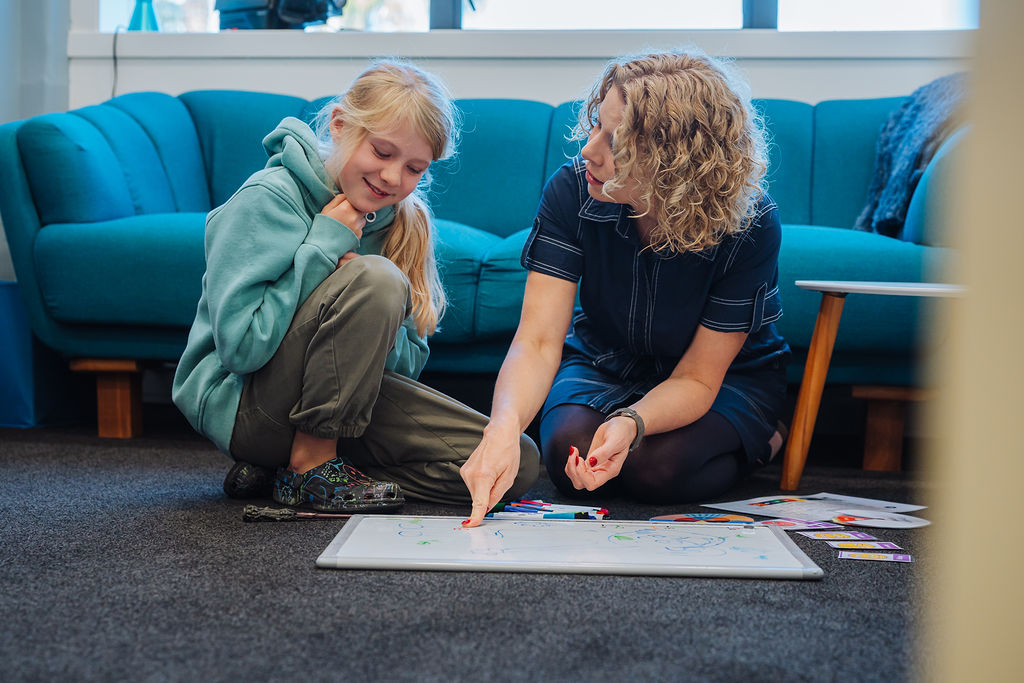
Intellectual Disability Assessment
Understanding a child or teenager’s learning abilities, everyday life skills and the support they need to participate in daily life.